When US distributors and retailers source wood caskets from China, understanding the differences in wood types is critical. Each wood species affects cost, weight, durability, aesthetics, and resale value. This guide provides an in-depth comparison of the most common solid wood caskets available for the US market.
1. Solid Mahogany
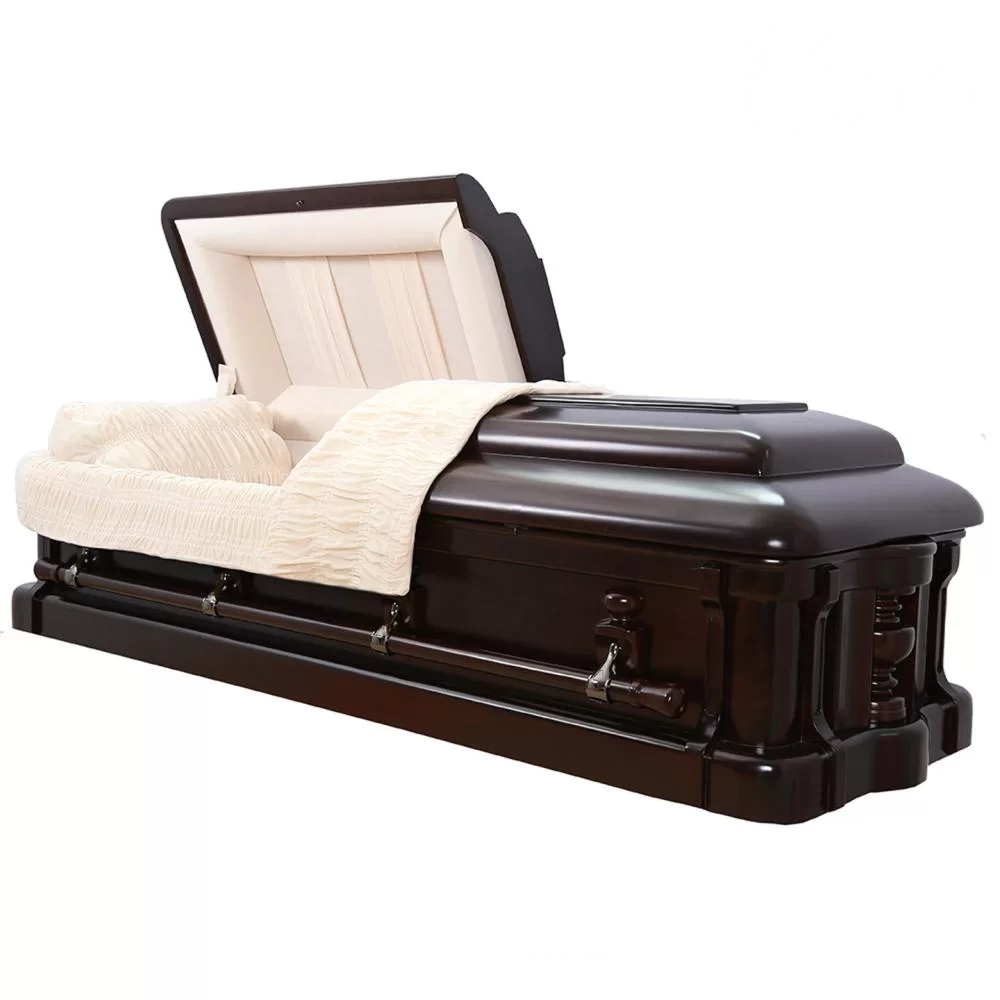
- Cost: High – one of the most expensive wood types
- Weight: Heavy
- Durability: Extremely durable and resistant to warping
- Grain & Appearance: Deep reddish-brown, straight grain, luxurious finish
- Pros: Premium look, high perceived value, excellent longevity
- Cons: High cost, limited availability, heavier shipping
2. Solid Oak
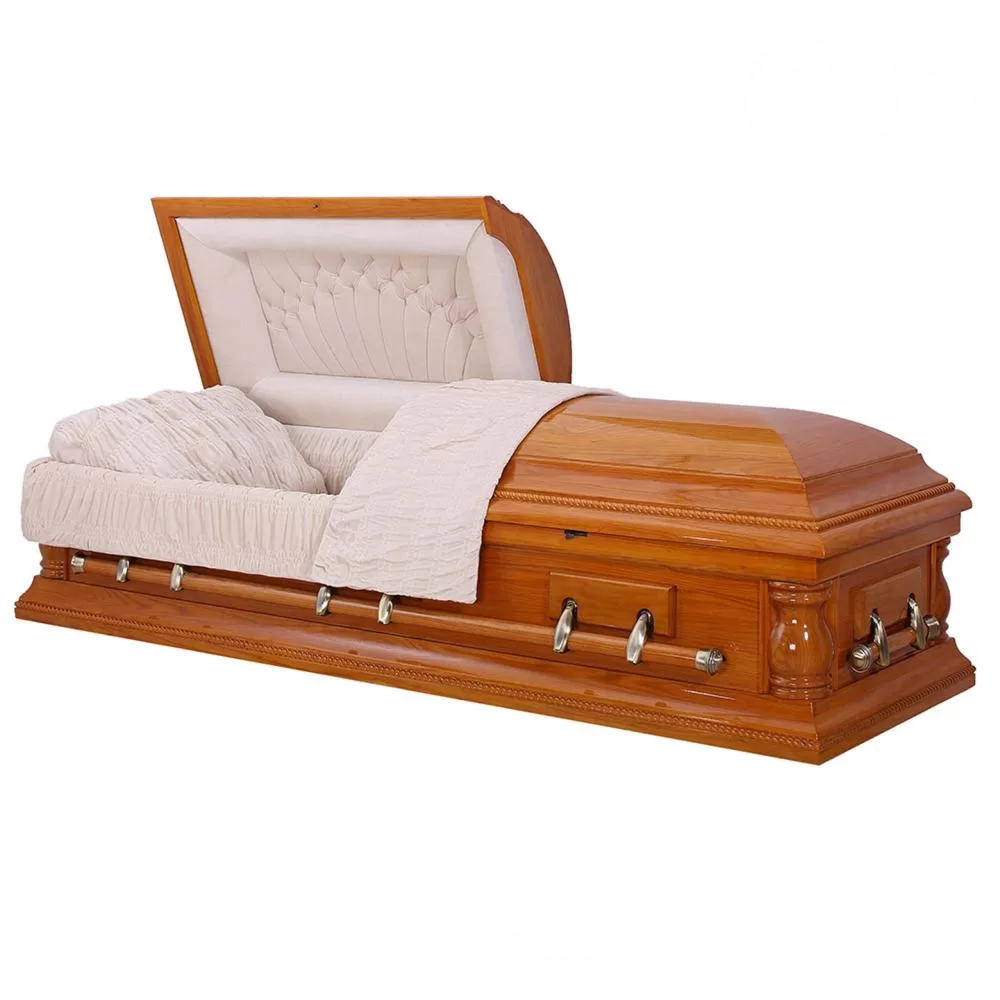
- Cost: High-mid range
- Weight: Heavy
- Durability: Very durable, strong resistance to dents
- Grain & Appearance: Prominent grain, light to medium brown, classic appeal
- Pros: Timeless, sturdy, highly valued in the US market
- Cons: Heavier, more expensive than some alternatives
3. Solid Poplar
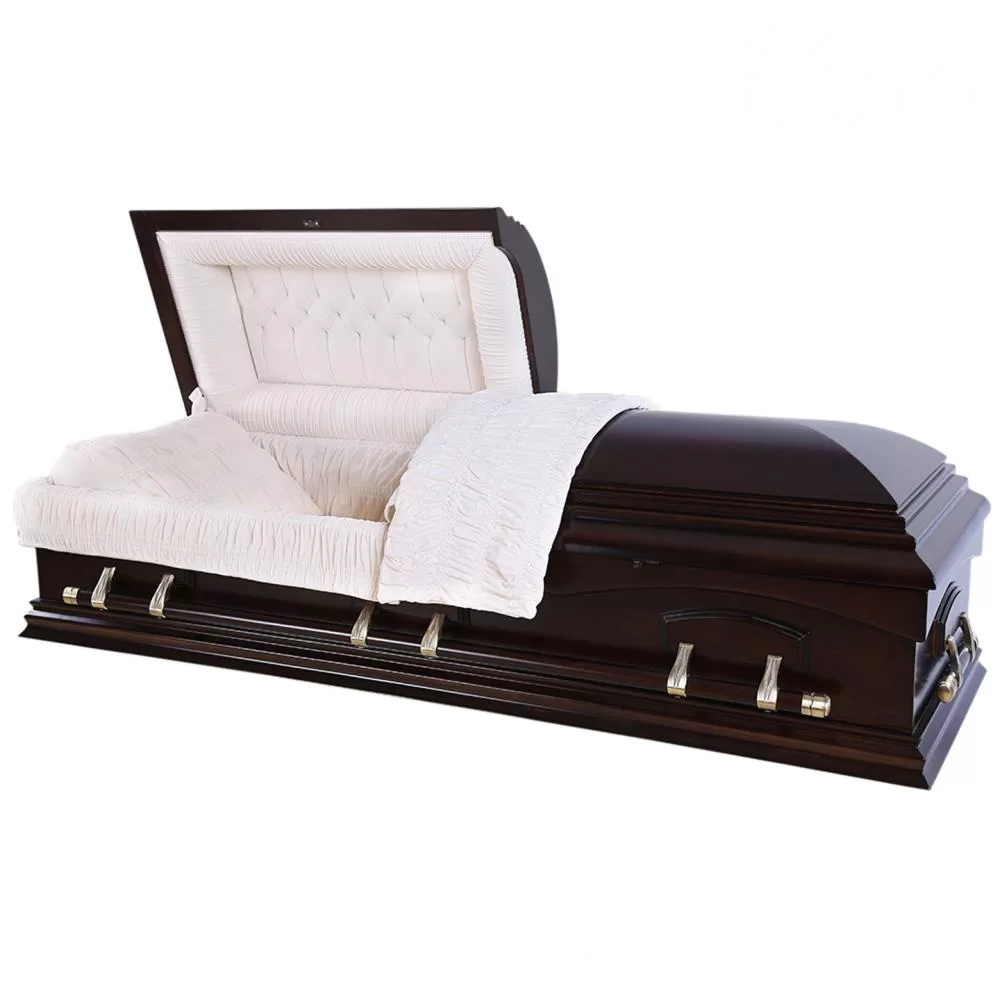
- Cost: Low-mid range
- Weight: Medium
- Durability: Moderate, less hard than oak or mahogany
- Grain & Appearance: Smooth, light color, accepts stains and paints well
- Pros: Affordable, versatile finish options, lightweight
- Cons: Less luxurious appearance, softer, prone to scratches
4. Solid Cherry
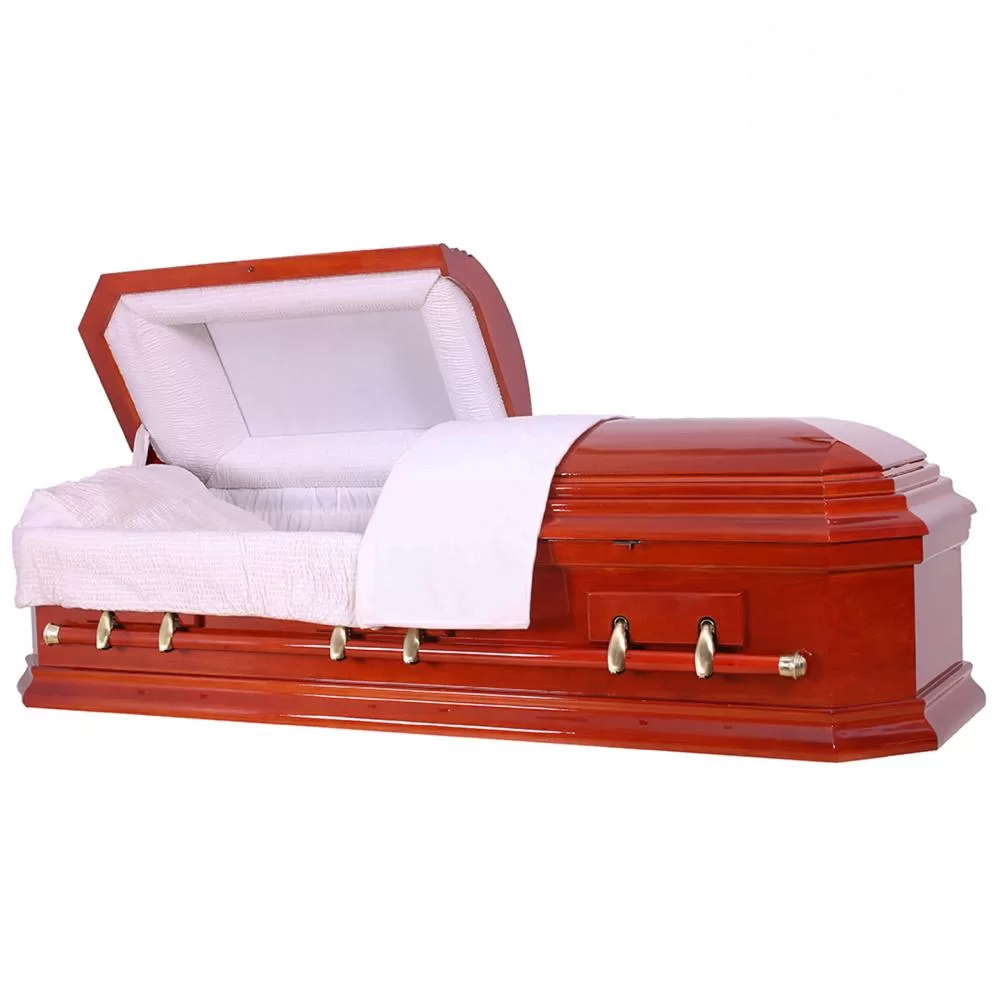
- Cost: High-mid range
- Weight: Medium-heavy
- Durability: Very durable, stable with age
- Grain & Appearance: Warm reddish-brown, fine grain, darkens over time
- Pros: Elegant, classic, aging improves appearance
- Cons: Higher cost, less common than oak or poplar
5. Solid Black Walnut
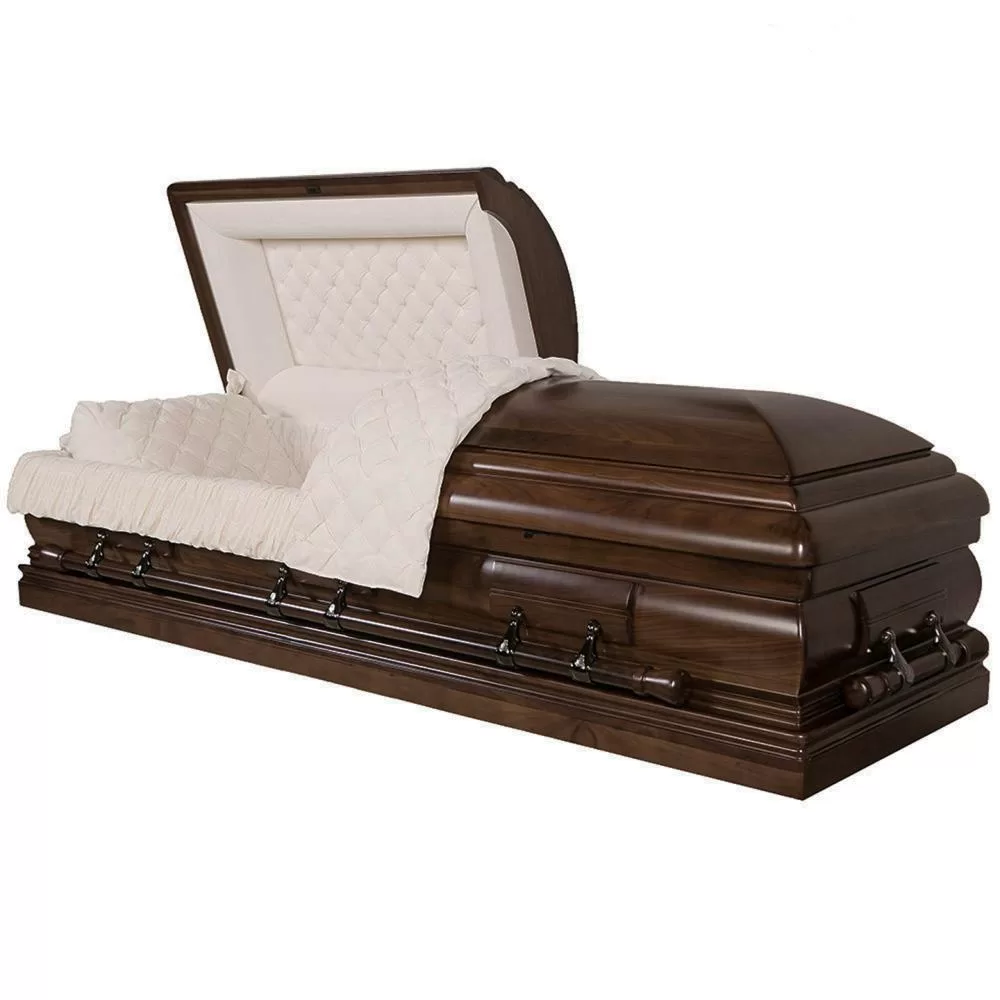
- Cost: High
- Weight: Medium-heavy
- Durability: Extremely durable, resistant to decay
- Grain & Appearance: Dark brown to black, straight grain, premium finish
- Pros: Luxurious, premium perception, highly valued for mid- to high-end markets
- Cons: Expensive, limited supply
6. Solid Maple
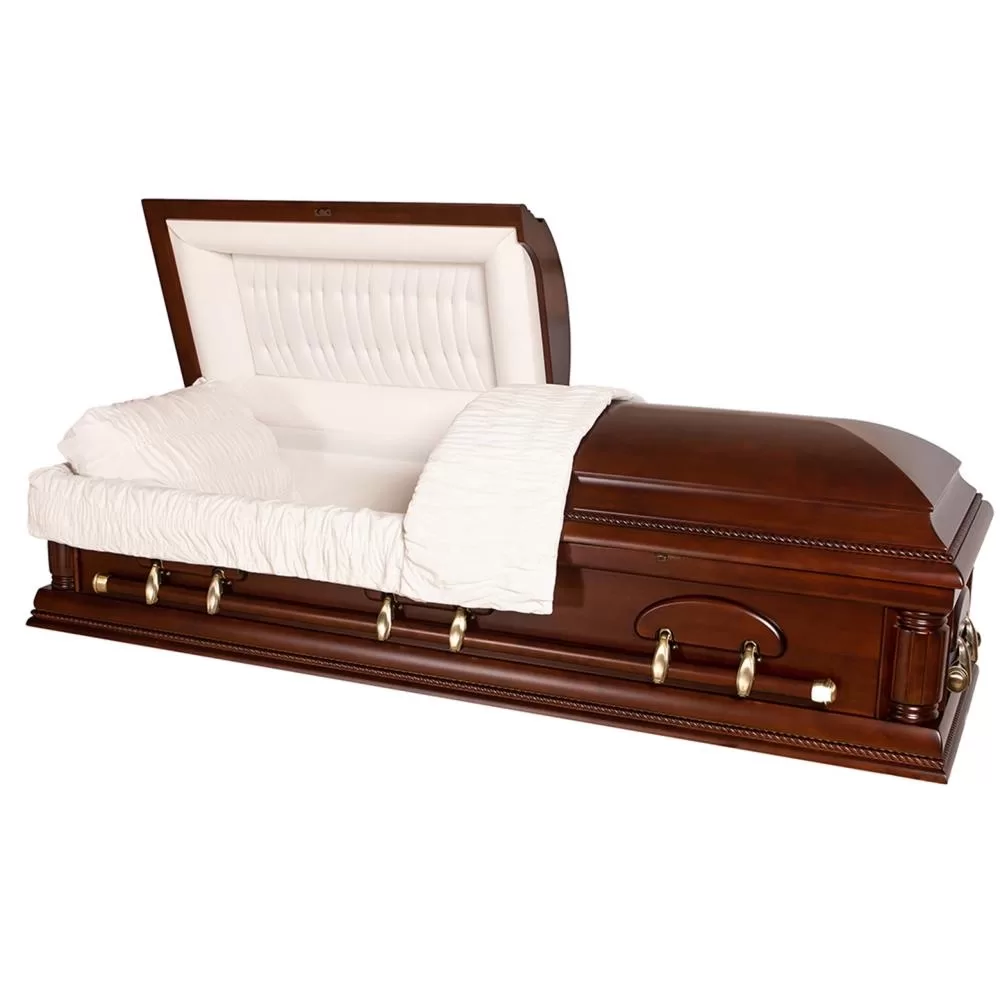
- Cost: Mid range
- Weight: Medium-heavy
- Durability: Hard, resistant to wear
- Grain & Appearance: Light cream to reddish-brown, fine, uniform grain
- Pros: Smooth finish, moderate cost, strong durability
- Cons: Less dramatic grain pattern than walnut or mahogany
7. Solid Paulownia
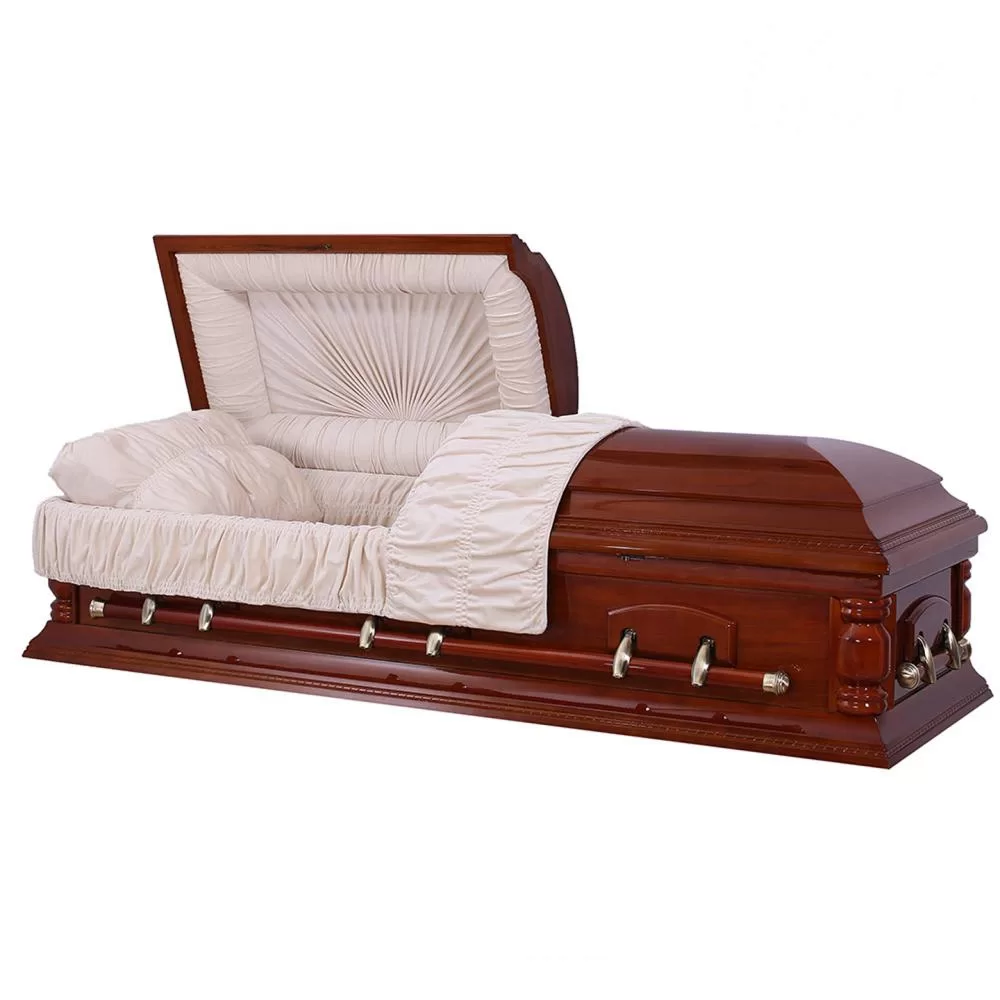
- Cost: Low
- Weight: Very light
- Durability: Moderate, less hard than oak or walnut
- Grain & Appearance: Light, even grain, easy to finish
- Pros: Lightweight, affordable, easy to handle
- Cons: Perceived as lower value, less luxurious
8. Solid Pecan
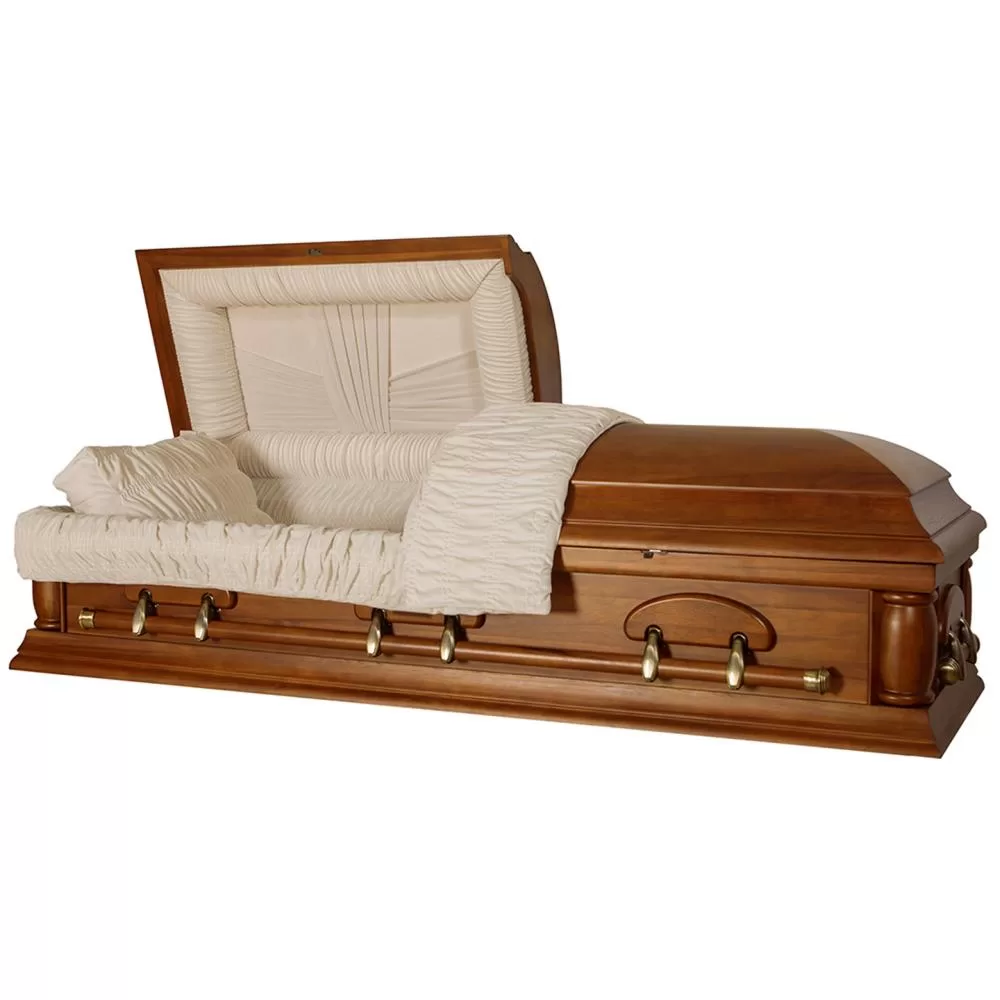
- Cost: Mid range
- Weight: Medium-heavy
- Durability: Hard, durable, less common
- Grain & Appearance: Reddish-brown, distinct grain patterns
- Pros: Unique appearance, durable, differentiates product line
- Cons: Less familiar to US buyers, moderately priced
9. Solid Pine and Cedar
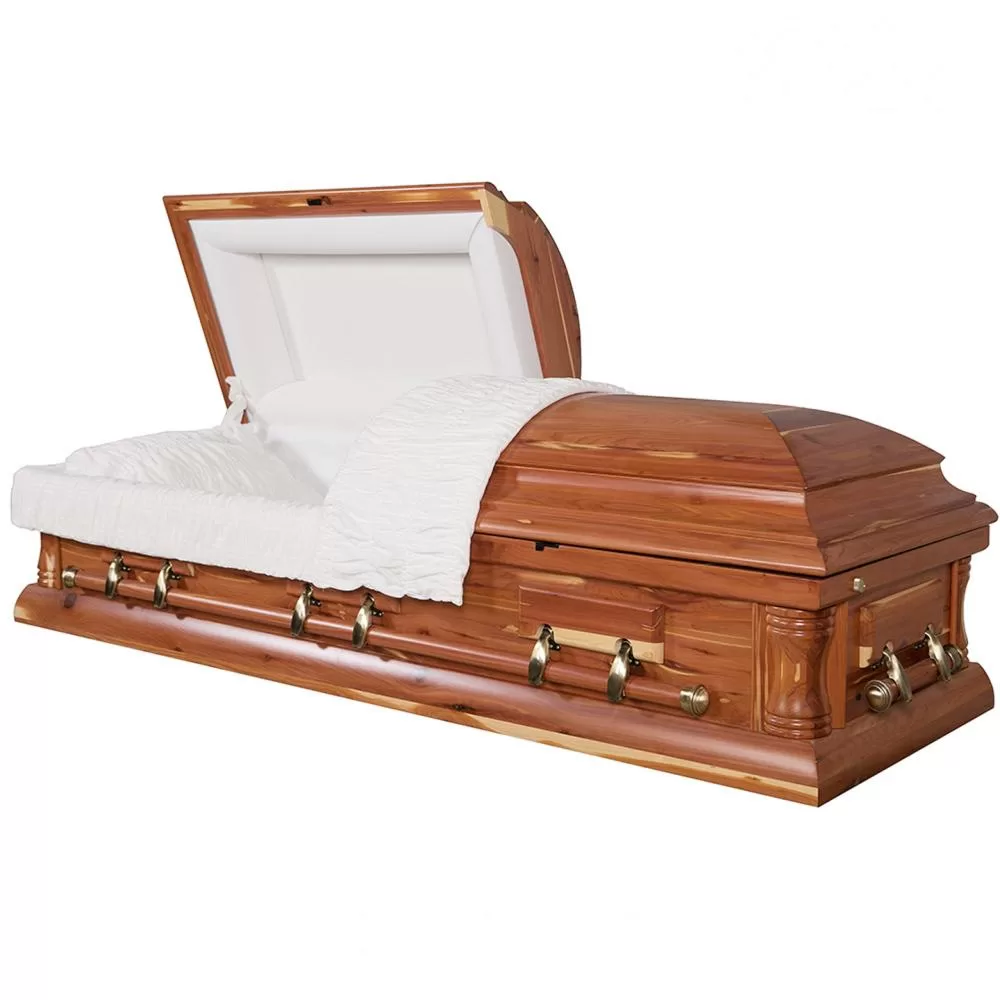
- Cost: Low
- Weight: Light to medium
- Durability: Softwoods; more prone to scratches and dents
- Grain & Appearance: Pine – pale with knots; Cedar – reddish, aromatic
- Pros: Affordable, lightweight, rustic or natural appearance
- Cons: Softer wood, lower perceived value, less durable
Summary Table: Wood Casket Comparison
| Wood Type | Cost | Weight | Durability | Appearance | US Market Perception |
|---|---|---|---|---|---|
| Mahogany | High | Heavy | Very High | Deep reddish, luxurious | Premium |
| Oak | High-mid | Heavy | Very High | Classic brown, strong grain | Classic, high-value |
| Poplar | Low-mid | Medium | Moderate | Smooth, light | Affordable, versatile |
| Cherry | High-mid | Medium-heavy | Very High | Warm reddish-brown | Elegant |
| Black Walnut | High | Medium-heavy | Very High | Dark brown to black | Premium, luxurious |
| Maple | Mid | Medium-heavy | Hard | Light cream, fine grain | Strong value, durable |
| Paulownia | Low | Very light | Moderate | Light, even | Affordable, lightweight |
| Pecan | Mid | Medium-heavy | Hard | Reddish, distinct grain | Unique, durable |
| Pine/Cedar | Low | Light to medium | Soft | Pale to reddish, rustic | Economical, rustic |
Key Takeaways for US Distributors
- Budget vs. Premium: Mahogany, Black Walnut, and Cherry are premium, while Poplar, Paulownia, Pine, and Cedar are budget-friendly.
- Weight & Shipping: Heavier woods like Mahogany and Oak cost more to ship.
- Durability Matters: Hardwoods like Oak, Maple, Cherry, and Walnut last longer and appeal more to mid- to high-end buyers.
- Appearance & Market Perception: Darker woods (Walnut, Mahogany) signal luxury; lighter woods (Poplar, Pine) signal affordability and versatility.
- Customization: Softer woods accept stains and paints more easily; premium woods require skilled finishing.
FAQ: Wood Casket Sourcing for US Buyers
Q1: Which wood casket is the most popular in the US market?
A: Oak and Cherry are consistently popular for their balance of durability, appearance, and perceived value.
Q2: Are lighter woods like Paulownia or Poplar acceptable for mid-range caskets?
A: Yes. They are cost-effective, easier to ship, and can be stained or finished to appear premium while keeping costs down.
Q3: How does the wood type affect shipping costs?
A: Heavier woods like Mahogany and Oak increase freight costs, while lighter woods such as Paulownia and Pine reduce shipping expenses.
Q4: Can softer woods be customized easily?
A: Yes, softer woods accept paint, stains, and decorative finishes more readily, making them suitable for OEM or private-label designs.
Q5: Which woods provide the longest-lasting durability?
A: Mahogany, Oak, Black Walnut, Cherry, and Maple are hard, dense woods that maintain structural integrity over time.
Q6: Does the wood type impact resale value?
A: Absolutely. Premium woods like Mahogany and Black Walnut command higher perceived value, whereas Pine and Poplar are better suited for budget-conscious markets.
Conclusion
Choosing the right wood type is a critical decision for US distributors sourcing caskets. Understanding cost, weight, durability, aesthetics, and market perception ensures the right products are selected for each customer segment.
- Premium segment: Mahogany, Black Walnut, Cherry, Oak, Maple
- Mid-range segment: Pecan, Cherry, Maple
- Budget segment: Poplar, Paulownia, Pine, Cedar
By carefully matching wood type to market demand and shipping considerations, distributors can maximize profitability, offer high-quality options, and build a strong, appealing product line for their US clients.